
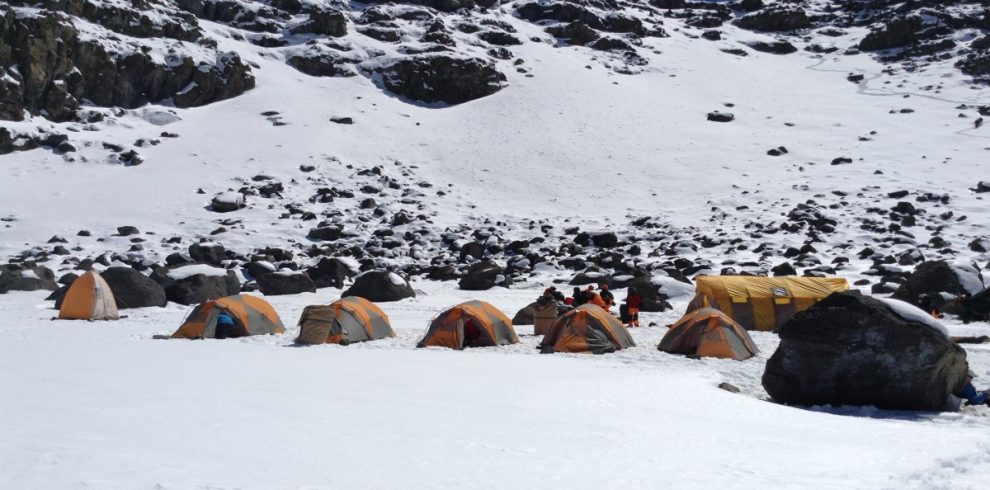
RONGAI ROUTE – 7 DAYS (QUIETEST ROUTE, FROM THE NORTH).

7 Days 6 Nights
  • Guided
  • Yes
  • Yes
  • English

The Rongai Route approaches Kilimanjaro from the northern side, close to the Kenya border. It is drier and less crowded than other routes, giving trekkers a remote, wilderness experience. This route offers a gradual ascent, beautiful landscapes, and excellent opportunities to see wildlife in the lower forest zones.

You begin your trek at Rongai Gate, where the trail leads you through dry, gently sloping rainforest. The path is less crowded and shaded by tall, twisted trees with hanging moss. You may spot colobus monkeys, blue monkeys, and various bird species along the way. The hike is relatively easy, allowing your body to start adjusting to altitude while enjoying peaceful forest sounds. Your first night is spent at Simba Camp, tucked away in a serene forest clearing.

From the forest, the trail gradually opens into heath and moorland, with rolling plains dotted with giant lobelias and groundsels. The path is moderate, and the views of Kilimanjaro’s icy summit begin to appear, contrasting with the brown and golden moorland. To the north, you may catch glimpses of Kenya’s plains, stretching endlessly. Second Cave Camp sits in a quiet spot, providing a tranquil night under the stars.

Today’s trek climbs through steeper valleys and rocky terrain, still surrounded by moorland but with more exposed areas. The air feels thinner, and the landscape becomes increasingly dramatic, with the sharp peaks of Mawenzi looming in the distance. Kikelewa Camp is located in a sheltered area, providing a restful stop before entering higher alpine terrain. Hikers often remark on the feeling of solitude as this section sees very few other climbers.

You enter the alpine desert zone, with sparse vegetation and rugged landscapes. Today’s highlight is reaching the Mawenzi Tarn, a small lake set under the towering shadow of Mawenzi Peak. The hike is challenging, with rocky paths and loose scree, but the views of jagged peaks and glacial valleys are rewarding. This camp is particularly scenic, with the reflection of the mountains in the tarn creating a surreal alpine scene.

Rest is crucial at this altitude. Today involves short acclimatization hikes around the tarn and nearby ridges. Hikers can explore the rock formations and small glaciers, enjoying 360° panoramic views of both Mawenzi and Kibo. The day also provides time to rest, hydrate, and prepare for the final push to the summit.

You leave the tranquility of Mawenzi Tarn and cross the lunar-like saddle, a wide expanse of rock, scree, and volcanic debris. The terrain is stark and dramatic, with the summit of Kibo rising majestically ahead. Kibo Hut is the staging point for the summit attempt, offering basic shelter and a chance to rest for a few hours before the midnight ascent.

The summit push begins around midnight, navigating steep switchbacks on loose volcanic scree. The cold, darkness, and high altitude make this the most challenging part of the trek. Reaching Uhuru Peak at sunrise is an unforgettable experience, with views of the crater and surrounding plains bathed in golden light. After photographs and a short rest, you descend via Barafu to Horombo Camp for lunch, then continue down through moorland and forest to Rongai Gate, completing your trek with a deep sense of achievement.

What is included in this package?

  • Transportation
  • Briefings & Support
  • Meals & Water
  • Climbing & Camping Equipment
  • Park Fees & Mountain Services

What is excluded in this package?

  • Travel & Accommodation
  • Personal Gear & Clothing
  • Insurance & Health
  • Tips & Personal Expenses

Safari Map

Is the Rongai Route suitable for beginners?

Yes. The Rongai Route is one of the easiest and most gradual ascents on Kilimanjaro. It is recommended for beginners, older climbers, and anyone who prefers a less steep, more controlled climb.

Why is the Rongai Route considered the quietest?

The trail approaches from the remote northern side near the Kenya border, where fewer climbers start. This makes the Rongai Route ideal for those seeking a peaceful wilderness experience.

What is the summit success rate on the Rongai Route?

Because of its gradual ascent and built-in acclimatization day, the Rongai Route typically has high success rates, especially on the 7-day itinerary.

Will I see wildlife on this route?

Yes. The northern forest zone is home to colobus monkeys, blue monkeys, buffalo, and many bird species. Wildlife sightings are common, especially on the first two days.

Is camping required on the Rongai Route?

Yes. All nights are spent in tents except for the final descent shelters at Horombo. Your team sets up high-quality tents at each campsite.

    • Unbeatable Value Assurance - ( Discover extraordinary adventures )
    • Effortless Reservation Process - ( No booking hassles )
    • Transparent Pricing, Zero Surprises - ( No hidden costs )
    • Expertise Beyond Measure - ( Team of seasoned experts )
    • Your Joy, Our Priority - ( Happiness Commitment )

Enquiry Form

RONGAI ROUTE – 7 DAYS (QUIETEST ROUTE, FROM THE NORTH).